OECD Discussions Highlight Africa’s Agrivoltaic Future
A New Approach to Development
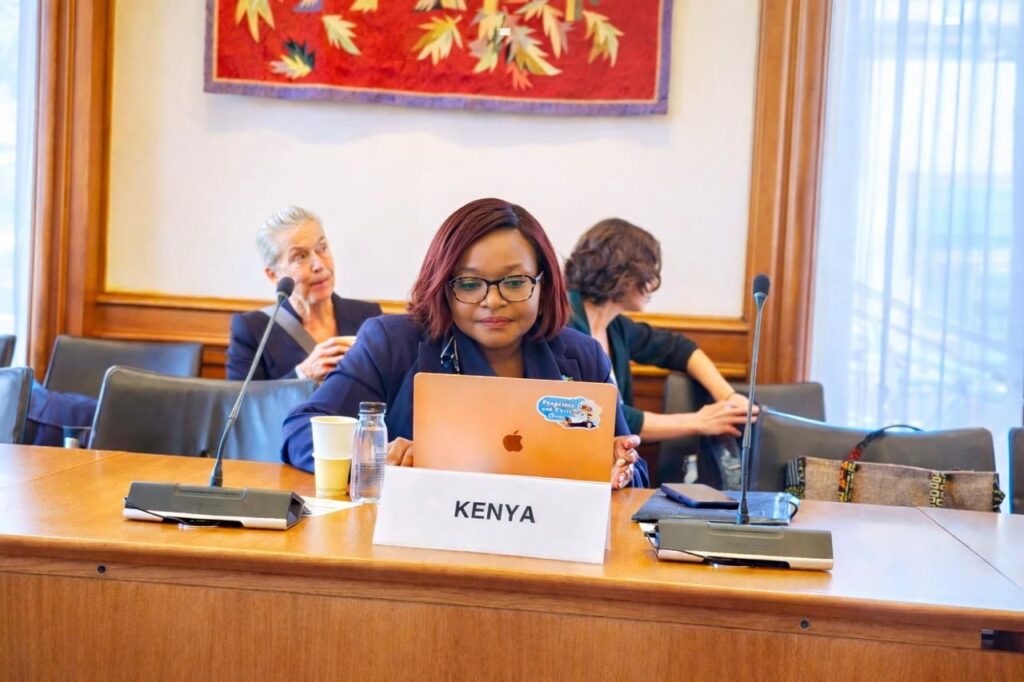
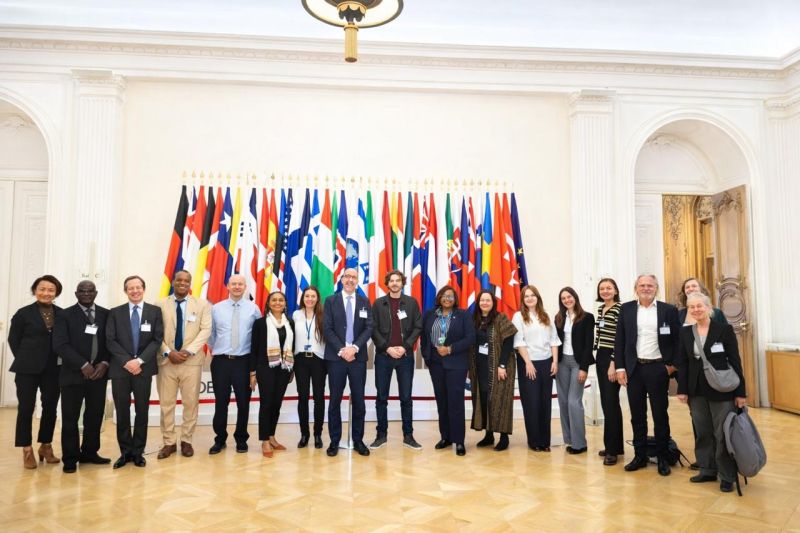
Paris, France – Recent discussions at the Organisation for Economic Co-operation and Development (OECD) highlighted an important message for Africa: the continent does not need to choose between food security and energy access. It can achieve both.
This idea was at the heart of conversations involving experts, policymakers, researchers, and development partners from Africa, Europe, Asia, and the United States.
The discussions took place at a time when climate change continues to affect communities around the world. Across Africa, countries are experiencing severe floods, prolonged droughts, extreme heat, and unpredictable weather patterns. These challenges threaten agricultural production, livelihoods, and economic growth.
As a result, participants explored new solutions that can support sustainable development while strengthening climate resilience.
Agrivoltaics: Combining Agriculture and Energy
One of the key topics discussed was agrivoltaics.
Agrivoltaics is an innovative approach that combines agricultural production and solar energy generation on the same piece of land. Instead of competing for space, farming and renewable energy work together.
This approach offers several benefits:
- Increased access to clean energy.
- Improved water management.
- Enhanced agricultural productivity.
- Greater resilience to climate change.
- New economic opportunities for local communities.
For many participants, agrivoltaics represents more than a technological innovation. It offers a practical model for integrated and sustainable development.
Global Experiences Show Growing Potential
Agrivoltaic projects are already being explored in different parts of the world.
Examples can be found in Kibwezi, Makueni County in Kenya, as well as in Mauritania, Ghana, Senegal, Togo, France, Germany, India, and the United States.
Despite their different environments, these projects share a common objective: making better use of land while addressing energy and food needs at the same time.
The growing success of these initiatives demonstrates that sustainable development can be both practical and scalable.
Kenya Has an Opportunity to Lead
For Kenya, the opportunities are significant.
The country already has a strong reputation in renewable energy and climate action. Combined with its agricultural potential, this creates a solid foundation for agrivoltaic development.
With the right partnerships, financing, and policy support, Kenya can:
- Pioneer large-scale agrivoltaic projects.
- Attract international climate and development finance.
- Create green growth opportunities in counties across the country.
- Strengthen food security and energy access.
- Serve as a model for sustainable development in Africa.
Looking Ahead
The OECD discussions reinforced an important lesson. The future of development cannot be built in separate sectors.
Food security, clean energy, water management, climate resilience, and economic growth are closely connected. Therefore, solutions must also be connected.
The question is no longer whether agrivoltaics can contribute to Africa’s development. The real question is how quickly governments, institutions, and partners can work together to scale these solutions.
Kenya remains committed to supporting innovative approaches that promote sustainable development, strengthen resilience, and improve the lives of communities across Africa.
As the global transition to a greener future accelerates, agrivoltaics offers a promising pathway toward achieving both food security and energy access for future generations.